The significance of preserving forest germplasm
DOI: 10.03670/rft.v5i1.689
Abstract
When discussing forest loss, we typically envision wildfires, deforested areas, or landscapes degraded due to human activities and natural effects. These are visible impacts that pose a persistent concern and can be quantified in thousands of affected hectares. However, there also exists a silent loss occurring within forests that may be more challenging to reverse - the erosion of genetic diversity.
The term forest germplasm may seem unfamiliar, but it essentially refers to the seeds of trees found in our forests. The hereditary information contained within germplasm enables forest species to adapt, evolve, and survive under changing conditions, as well as to withstand droughts, pests, and diseases, adapt to extreme temperatures, or recover from natural disturbances. In other words, forest germplasm embodies the high ecological potential that directly contributes to the sustainability of our forests. It is crucial for this concept to gain greater recognition and application, particularly in the context of climate change, ecosystem fragmentation, and the ongoing pressure on forest resources.
Over the past two decades, public and private institutions have undertaken significant activities related to the conservation of forest genetic resources. For instance, ex situ seed banks, seed orchards, clonal collections, provenance trials, and forest improvement programs have been implemented, all of which contribute to preserving the biological-ecological diversity of species.
Despite the advancements made, it remains concerning that numerous tropical forest species are not represented in germplasm collections, whether in situ or ex situ. In some instances, although several species are present in seed banks, the genetic diversity preserved does not accurately reflect the richness of natural populations. Additionally, certain species possess recalcitrant seeds, complicating long-term storage, which presents a technical challenge that has yet to be resolved.
In light of this reality, the accumulated technical and scientific experience indicates that we still lack sufficient germplasm conservation strategies. Both in situ and ex situ conservation should be implemented as complementary strategies. Seed banks, in particular, serve as a valuable conservation backup against forest fires, climatic events, anthropogenic actions, pests, diseases, or any other threats that could adversely impact forest populations in the short term.
Thus, we must recognize that "conservation is not merely about storage." Genetic conservation is meaningful when it leads to the restoration of ecosystems, forest plantations, genetic improvement, and the enhancement of livelihoods for communities dependent on forests. Well-preserved forest germplasm should become a tool for sustainable development rather than an isolated resource confined within storage chambers or specialized collections.
Consequently, it is our responsibility to strengthen inter-institutional collaboration among universities, research centers, germplasm banks, botanical gardens, forestry institutions, and cooperative entities, all of which play a crucial role in the management, handling, and control of natural resources, particularly forest germplasm. It is also essential to promote local and regional cooperation systems and mechanisms, ensuring that conservation efforts are maintained and expanded.
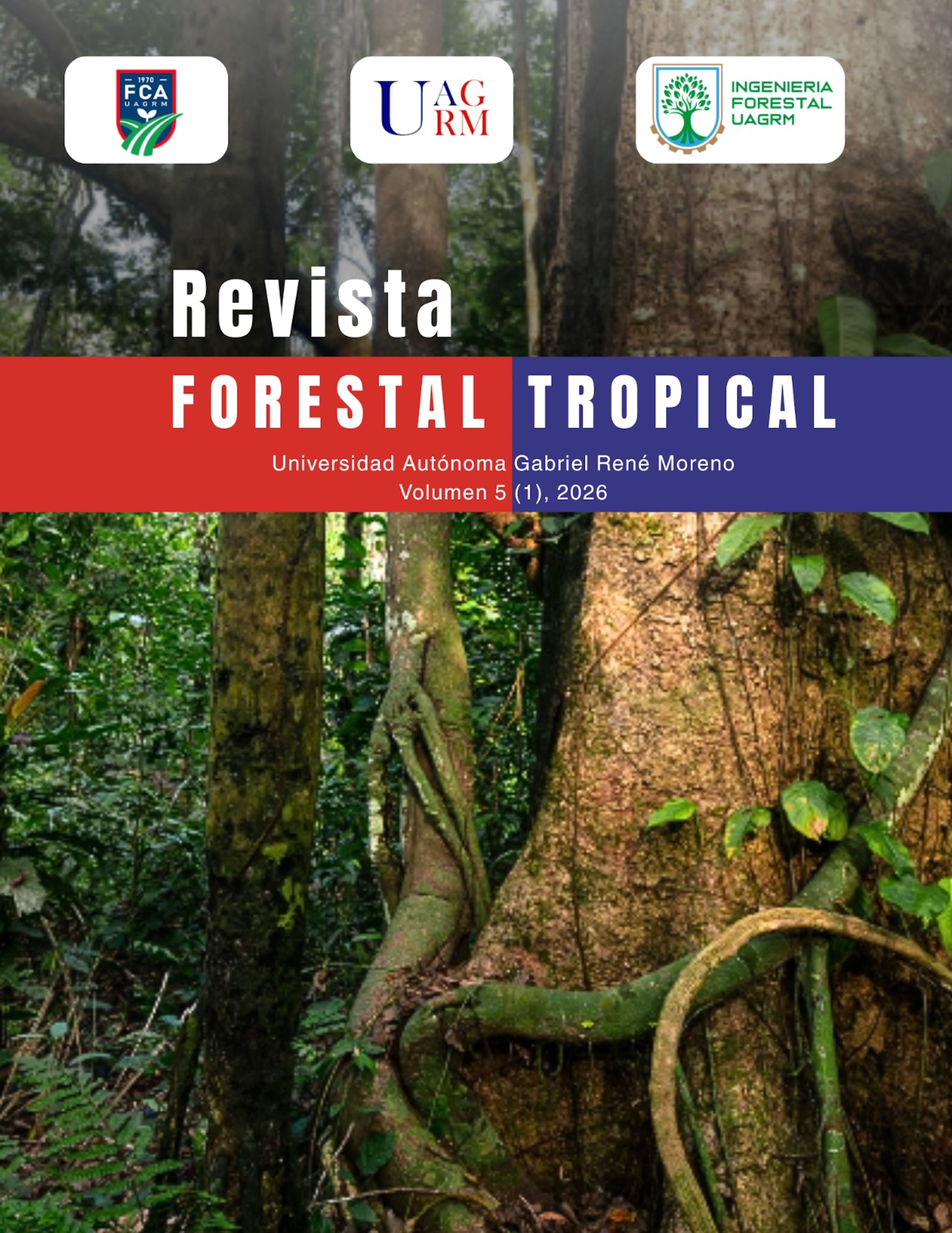
This issue of the Revista Forestal Tropical aims to contribute to this reflection. Beyond the scientific and technological advancements made in recent years, the conservation of forest germplasm should not be regarded as a secondary activity within forest management; rather, it should be viewed as a strategic investment for the preservation of ecosystems and the welfare of future generations. Each seed preserved signifies an opportunity to restore a forest, bolster a population, or tackle environmental challenges.
Downloads